Implant Dentistry
Advanced dental implant solutions backed by 28 years of clinical experience
Book a Consultation ->Experience and Expertise
With nearly three decades of experience in various dental fields, I specialize in providing advanced implant dentistry solutions. My approach combines clinical excellence with personalized patient care to ensure optimal outcomes for every case, from straightforward single tooth replacements to complex full mouth rehabilitations.
Dental implants represent one of the most significant advances in modern dentistry. Unlike traditional bridges or removable dentures, implants are anchored directly into the jawbone, providing a stable, permanent foundation for replacement teeth. This approach preserves the surrounding natural teeth and maintains the integrity of the jawbone, preventing the bone loss that commonly occurs after tooth extraction.
My commitment to the advancement of dentistry through continuous education ensures that patients receive treatment using the latest techniques and technologies in implant dentistry. I regularly update my clinical protocols to reflect current evidence-based best practices, ensuring that each patient benefits from the most effective and predictable treatment approaches available.
Understanding Dental Implants
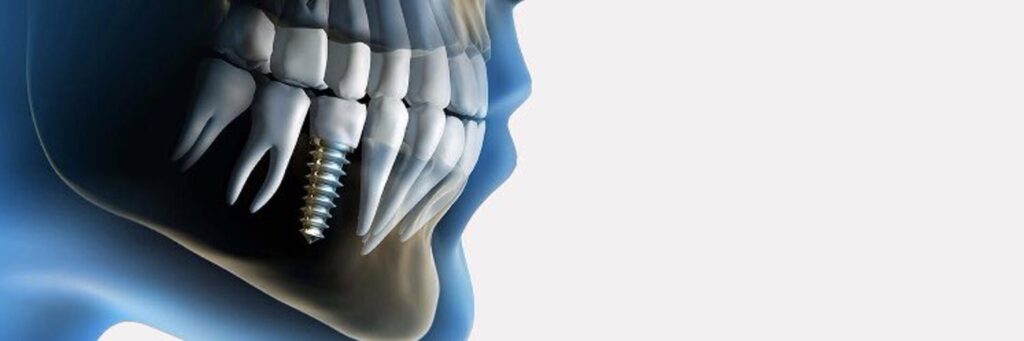
A dental implant consists of three components: a titanium post that is surgically placed into the jawbone, an abutment that connects the post to the restoration, and the restoration itself, which may be a crown, bridge, or denture. The titanium post acts as an artificial tooth root, fusing with the surrounding bone through a biological process called osseointegration. This creates a remarkably strong and durable foundation that closely mimics the function of a natural tooth root.
The process begins with a comprehensive evaluation, including digital imaging and a thorough assessment of your oral and overall health. Based on this evaluation, I develop a detailed treatment plan tailored to your specific needs, goals, and anatomical considerations. Every plan is unique because every patient is unique.
Services Offered
Single Tooth Implants
Replacing one missing tooth with an individual implant and crown, preserving the adjacent natural teeth.
Multiple Teeth Replacement
Implant-supported bridges that eliminate the need for removable partial dentures.
Full Mouth Rehabilitation
Complete arch restoration using All-on-4 or All-on-6 techniques for a fixed, non-removable set of teeth.
Implant-Supported Dentures
Removable dentures that snap securely onto implant attachments for stability and confidence.
Bone Grafting Procedures
Building adequate jawbone density and preparing the surgical site for successful implant placement.
Sinus Lift Procedures
Augmenting the sinus floor to create sufficient bone volume for implant placement in the upper jaw.
Immediate Implant Placement
Placing the implant at the time of extraction when clinical conditions allow, reducing overall treatment time.
Types of Implant Solutions
Single tooth implants are the most common procedure and involve replacing one missing tooth with an individual implant and crown. This approach preserves the adjacent natural teeth, which would otherwise need to be modified to support a traditional bridge. The result is a restoration that looks, feels, and functions like a natural tooth.
For patients missing several teeth, implant-supported bridges provide a fixed solution that eliminates the need for removable partial dentures. Multiple implants are strategically placed to support a bridge spanning the gap, restoring both function and appearance. This approach is often more conservative than placing an individual implant for each missing tooth.
Full mouth rehabilitation addresses cases where all or most teeth are missing or failing. Using techniques such as All-on-4 or All-on-6, a complete arch of teeth can be supported by as few as four to six implants. This approach provides a fixed, non-removable set of teeth that dramatically improves quality of life for patients who have struggled with traditional dentures.
Implant-supported dentures offer an alternative for patients who prefer a removable option but want the stability and confidence that implants provide. The denture snaps securely onto implant attachments, eliminating the slipping and discomfort commonly associated with conventional dentures while still allowing for easy removal and cleaning.
What to Expect During Treatment
The implant process typically begins with a thorough consultation and diagnostic workup. This includes digital radiographs and, in many cases, a three-dimensional cone beam CT scan to assess bone volume and identify critical anatomical structures. With this information, I can plan the precise placement of each implant for optimal function and aesthetics.
Implant placement is performed under local anesthesia in a comfortable clinical setting. The procedure is well-tolerated by most patients, and post-operative discomfort is typically mild. Following placement, a healing period of two to four months allows the implant to integrate with the bone. During this time, you may wear a temporary restoration to maintain your appearance and function.
Once osseointegration is complete, the final restoration is fabricated and attached. I work with skilled dental laboratory technicians to ensure that each restoration matches your natural teeth in color, shape, and proportion, delivering a result that blends seamlessly with your smile.
Recovery and Aftercare
Most patients return to their normal daily activities within one to two days following implant surgery. Mild swelling and tenderness are common in the first few days and can be managed with over-the-counter pain medication and cold compresses. I provide detailed post-operative instructions and am available to address any concerns during your recovery.
Long-term success of dental implants depends on good oral hygiene and regular dental check-ups. Implants require the same care as natural teeth, including daily brushing, flossing, and professional cleanings. With proper maintenance, dental implants can provide decades of reliable function and a confident smile.
Professional Development
My dedication to professional development and continuing education in implant dentistry ensures that my patients benefit from the most current and effective treatment approaches. I regularly attend conferences, workshops, and advanced training programs to stay at the forefront of dental implant technology and techniques.
The field of implant dentistry evolves rapidly, with new materials, surgical techniques, and digital technologies continually expanding what is possible. By maintaining active involvement in professional education and peer collaboration, I ensure that my clinical practice reflects the very latest evidence and innovation in the field.
"I welcome you to contact me if you are interested in chairs side support and mentoring."
Mentoring and Education
Beyond patient care, I am passionate about sharing knowledge and supporting fellow dental professionals in their journey to excel in implant dentistry. I offer mentoring and educational support to help advance the field of dentistry, from one-on-one chairside guidance to structured learning programs.
My mentoring approach is practical and hands-on. I work alongside dentists in a clinical setting, providing real-time guidance on case selection, treatment planning, surgical technique, and prosthetic design. This chairside support model allows practitioners to build confidence and competence in a supervised environment before taking on implant cases independently.
Frequently Asked Questions About Dental Implants
How much do dental implants cost in Canada?
The cost of dental implants in Canada varies depending on several factors, including the number of implants needed, whether bone grafting is required, the type of restoration (crown, bridge, or denture), and the complexity of the individual case. During your consultation, Dr. Frederiksen will provide a detailed treatment plan with a clear breakdown of costs so you can make an informed decision. Many dental insurance plans offer partial coverage for implant procedures, and financing options may also be available.
Am I a candidate for dental implants?
Most adults with good general health are candidates for dental implants. The key requirements include adequate jawbone density to support the implant, healthy gums, and a commitment to maintaining good oral hygiene after the procedure. Conditions such as uncontrolled diabetes, heavy smoking, or certain medications may affect eligibility. A thorough evaluation, including diagnostic imaging and a review of your medical history, will determine whether dental implants are the right solution for you.
How long do dental implants last?
Dental implants are designed to be a long-term solution for tooth replacement. With proper care and maintenance, the titanium implant post itself can last a lifetime. The crown or restoration attached to the implant may need replacement after 10 to 15 years due to normal wear, though many patients enjoy their restorations for much longer. Regular dental check-ups, good oral hygiene, and avoiding habits like teeth grinding contribute to the longevity of your implants.
Is the dental implant procedure painful?
Dental implant placement is performed under local anesthesia, and most patients report that the procedure is more comfortable than they expected. Post-operative discomfort is typically mild and manageable with over-the-counter pain medication. Dr. Frederiksen takes every precaution to ensure patient comfort throughout the process, from thorough pre-operative planning to careful surgical technique. Most patients return to their normal activities within a day or two of the procedure.
How long does the implant process take?
The full dental implant process typically takes three to six months from start to finish, depending on the complexity of the case. After the implant is placed, a healing period of two to four months allows the implant to integrate with the jawbone through a process called osseointegration. If bone grafting is required, additional healing time may be needed before the implant can be placed. Dr. Frederiksen will outline a personalized timeline during your consultation.
What is the success rate of dental implants?
Dental implants have one of the highest success rates of any surgical procedure, with studies consistently reporting success rates above 95 percent. The success of your implant depends on factors such as the quality and quantity of available bone, your overall health, the skill and experience of your clinician, and your commitment to post-operative care. With 28 years of clinical experience, Dr. Frederiksen brings the expertise needed to achieve predictable, lasting results.